

 The hospitality industry in the United Kingdom, one of the world’s most visited countries, relies heavily on efficient systems to manage bookings, reservations, and guest experiences. As the demand for travel grows, especially with the rise of digital technologies, having a reliable and user-friendly reservation system has become essential for hotels to stay competitive. A well-designed reservation system can streamline operations, enhance guest satisfaction, and ensure the smooth running of hotel operations, from the initial booking to check-out.
The Importance of a Reservation System
A reservation system is an essential tool for hotel management, serving as a centralized platform for managing bookings, room availability, guest information, and payment processing. For hotels in the United Kingdom, where tourism is a significant contributor to the economy, having an effective system in place is not just a convenience; it is a necessity.
With the growing trend of online bookings, hotel reservation systems enable customers to view real-time room availability and make bookings at their convenience. This reduces the chances of overbooking and improves the overall guest experience. Furthermore, the system integrates various aspects of hotel management, from front-desk operations to billing, thus providing a seamless flow of operations.
Key Features of a Reservation System
- Online Booking Engine: One of the primary features of a reservation system is an online booking engine that allows customers to make reservations via the hotel’s hotel’s hotel’s website or third-party platforms. This engine displays real-time availability, room rates, and details of amenities, helping potential guests make informed decisions quickly.
- Channel Manager Integration: Hotels in the UK typically list their rooms on multiple online travel agents (OTAs), such as Booking.com, Expedia, and Airbnb. A channel manager integration within the reservation system allows hoteliers to update room availability, pricing, and policies across all channels simultaneously. This ensures consistency and avoids double bookings.
- Automated Confirmation and Notifications: Reservation systems automatically send confirmation emails to guests once a booking is made. This reduces the workload on hotel staff and ensures that guests have clear communication regarding their reservation details. Automated reminders can also be sent to guests as their check-in date approaches, helping to reduce no-shows.
- Payment Processing Integration: A modern reservation system integrates with secure payment gateways, allowing guests to make payments online at the time of booking. This not only provides convenience for the guests but also improves cash flow for the hotel. Additionally, secure payment processing ensures that sensitive guest information is protected.
- Customizable Pricing and Discounts: Hotels in the UK often offer varying room rates based on demand, seasonality, or special offers. A reservation system should allow hoteliers to easily adjust pricing and apply discounts or promotions to attract different customer segments. This level of customization ensures that hotels remain competitive in the ever-changing market.
- Guest Profiles and History: Reservation systems often store detailed profiles of returning guests, including their preferences, previous stays, and special requests. This allows the hotel to provide a more personalized service, improving customer loyalty and the overall guest experience.
- Reporting and Analytics: A good reservation system provides in-depth reporting and analytics, allowing hotel managers to track bookings, revenue, occupancy rates, and customer demographics. This data helps in making informed business decisions, such as pricing adjustments, promotional strategies, and staffing requirements.
The Benefits of a Reservation System for Hotels in the UK
- Increased Efficiency: A well-designed reservation system automates the booking process, reducing the manual effort needed by hotel staff to manage reservations, check-ins, and guest requests. This enhances operational efficiency and allows staff to focus on guest service.
- Improved Guest Experience: With an easy-to-use reservation system, guests can book their rooms quickly and with confidence, knowing that their reservations will be accurately processed. The ability to manage r
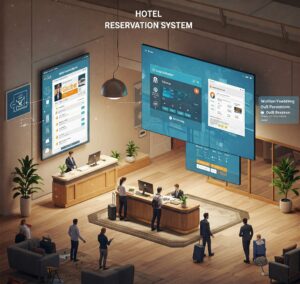 eservations online, combined with real-time availability and secure payment processing, helps increase customer satisfaction.
 - Revenue Management: The dynamic pricing feature of many reservation systems allows hotels to adjust prices according to demand. This ensures that the hotel can optimize its revenue, especially during peak seasons, by adjusting prices in real time to reflect market conditions.
- Reduced Overbooking and Errors: Automated real-time updates to room availability reduce the risk of overbooking, which can cause negative guest experiences. The system helps ensure that the correct information is displayed across all channels, preventing confusion and errors.
- Enhanced Marketing Opportunities: Many reservation systems include integrated tools for marketing campaigns, email promotions, and loyalty programs. Hotels in the UK can use these tools to attract returning guests, launch targeted promotions, and drive direct bookings through their websites.
Conclusion
A reservation system is a vital tool for modern hotels in the United Kingdom, enhancing both operational efficiency and guest satisfaction. As the hospitality sector continues to evolve, leveraging the right reservation system can give hotels a competitive edge, streamlining their operations while offering guests a seamless booking experience. By integrating features like online booking engines, channel management, and automated notifications, hotels can stay ahead of the curve, ensuring they meet the growing demands of today’s tech-savvy travelers. In a market as dynamic and competitive as the UK’s, a well-implemented reservation system is no longer optional but a critical component of success.